
Severe Weather Coverage for Texas Business Interruption
Learn how business interruption insurance Texas severe weather coverage can replace lost income and keep your business afloat after a storm, with tips for filing claims.

By Jeffrey Connors
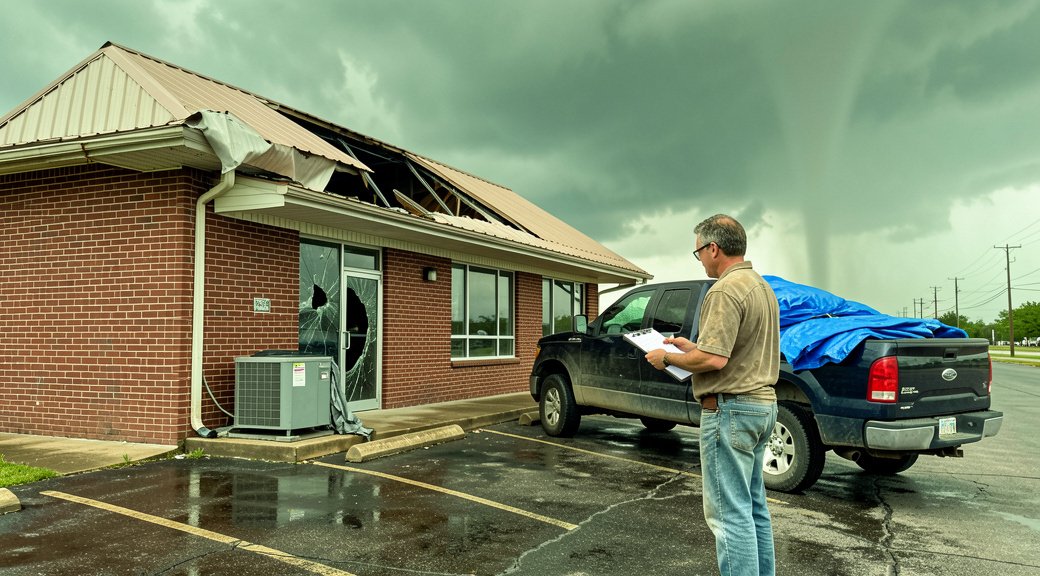
When a severe storm, tornado, or hailstorm hits your Texas business, the physical damage to your building is often just the beginning. The real financial strain can come from being forced to close your doors for days, weeks, or even months. Your rent, payroll, and loan payments do not pause just because a storm did. This is where business interruption insurance Texas severe weather coverage becomes a lifeline. It is not a separate policy in most cases, but a critical endorsement or section within your commercial property insurance that replaces lost income and helps you pay ongoing expenses while you repair and recover.
For Texas business owners, from contractors with a small office to shop owners with a storefront, understanding how this coverage works is essential. The state's weather is notoriously unpredictable, with spring tornadoes, summer hurricanes, and winter freezes all capable of shutting down operations. Many business owners assume their standard property policy covers everything, only to discover a gap when they need it most. This article explains how business interruption coverage works in the context of Texas severe weather, what it pays for, what it does not, and how to ensure your policy is structured to protect your bottom line.
How Business Interruption Insurance Works
Business interruption insurance, also known as business income coverage, is designed to put your business back in the financial position it would have been in if the disaster had not occurred. It does not pay for the physical repairs to your building; that is what your commercial property coverage is for. Instead, it replaces the income you lose during the time your business cannot operate normally due to a covered loss.
The coverage typically kicks in after a waiting period, often 72 hours, and continues until your business is restored to normal operations or until the policy limit is reached. The calculation of your loss is based on your historical financial records, including your net income and your ongoing operating expenses. For example, if a hailstorm damages your warehouse roof and you cannot operate for three weeks, the policy would cover your lost profits for that period, as well as the rent or mortgage payments, utility bills, and employee wages that continue regardless of your closure.
There is also a crucial extension called extended business interruption coverage, which protects you after your business reopens. Many businesses find that even after their physical location is repaired, it takes time to ramp back up to full revenue. Customers may not know you are open again, or you may need to restock inventory. This extension covers the period when your income is still reduced but your doors are open, offering a more complete safety net.
Key Coverage Components
To fully understand what your policy includes, you should be aware of the specific components that are often bundled together under business interruption coverage:
- Business Income: This is the core coverage that replaces lost net income, including profits you would have earned and continuing operating expenses like rent, utilities, and payroll.
- Extra Expense: This pays for costs beyond your normal operating expenses that help you avoid a shutdown or reduce the duration of the interruption. For instance, if you need to rent a temporary office space or pay a premium to expedite equipment repairs, extra expense coverage handles those costs.
- Civil Authority: This is particularly relevant during severe weather events. It covers lost income when a government order, such as a mandatory evacuation or a curfew, prevents customers from reaching your business, even if your property itself was not damaged.
- Contingent Business Interruption: This extends coverage to losses caused by damage to a key supplier's or customer's property. If your main supplier cannot ship materials due to storm damage, and that halts your production, this coverage can step in.
Each of these components works together to provide a comprehensive shield. When you review your policy with an independent agent, confirm that all of these are included or are available as add-ons. The more complete the package, the less financial stress you will face after a disaster.
Texas Severe Weather Risks and Policy Implications
Texas is a vast state with diverse weather threats, and your location determines which perils are most likely to disrupt your business. The Gulf Coast faces hurricanes and tropical storms, which bring storm surge, wind damage, and flooding. Central Texas experiences frequent tornadoes and severe thunderstorms with large hail. The Panhandle and West Texas are prone to wildfires and, surprisingly, ice storms during the winter. Each of these events can cause a business interruption, but the policy response can vary.
The most significant gap in standard business interruption coverage is flooding. A standard commercial property policy, and its associated business interruption coverage, explicitly excludes damage caused by flooding. This means if a hurricane causes a storm surge that floods your store, or a river overflows and inundates your facility, your business interruption coverage will not respond. To get coverage for flood-related closures, you must purchase a separate flood insurance policy, typically through the National Flood Insurance Program (NFIP) or from a private insurer. For businesses in high-risk flood zones, this separate policy is often a non-negotiable necessity.
Another critical distinction is the cause of the loss. Business interruption coverage only applies if the underlying damage is caused by a covered peril. For example, if a tornado rips off your roof and forces you to close, that is a covered wind event, and your business interruption coverage applies. However, if a freeze causes a pipe to burst and that leads to water damage, the coverage depends on your policy's specific language. Many policies have exclusions for freezing if the business owner failed to maintain heat in the building. Texas's 2021 winter storm, which caused widespread power outages and frozen pipes, was a harsh lesson in these exclusions for many business owners.
How Long Is the Interruption?
The duration of your business interruption is a key factor in how much you can recover. Insurers use a concept called the restoration period, which is the reasonable amount of time required to repair or replace the damaged property. This period begins when the loss occurs and ends when your property is repaired and you are back in business. The policy will continue to pay for your lost income and extra expenses throughout this restoration period, but it is subject to the policy's time limit.
There is also a waiting period before coverage begins, often 72 hours. This is like a deductible in time. If you can reopen after two days, you will not receive any business interruption payment. If it takes a month to repair, you will be covered starting from day four. Understanding this waiting period is crucial for cash flow planning. You need to have enough reserves to cover the first few days, and then the insurance will take over. An independent agent can help you negotiate a shorter waiting period, though it may increase your premium.
What Business Interruption Coverage Does Not Pay For
Just as important as knowing what is covered is knowing what is excluded. Many business owners are surprised to find that their business interruption policy does not cover certain losses. One common exclusion is damage to intangible assets, such as your business reputation or customer goodwill. If your business loses customers because of a temporary closure, that loss of future earnings is generally not covered. The policy only covers the actual income lost during the restoration period, not the long-term impact on your customer base.
Another exclusion is coverage for utility services. If a severe storm knocks out power to your area, but your building itself is undamaged, your business interruption coverage will likely not pay for your lost income. This is because the loss does not originate from physical damage to your property. However, you can purchase a utility services endorsement, which covers interruptions caused by damage to off-site power, water, or communications lines. Given the fragility of Texas's power grid, this endorsement is increasingly important.
Additionally, the policy does not cover losses from a pandemic or virus. The COVID-19 pandemic highlighted this gap, as most business interruption policies explicitly exclude losses from viruses. Even if your business was forced to close by a government order, the civil authority coverage typically only applies when the order is due to physical damage to property, not a health emergency. This is a hard lesson that many Texas businesses learned in 2020, and it underscores the need for a policy that fits your specific risk profile.
Steps to File a Business Interruption Claim in Texas
If severe weather forces your Texas business to close, taking the right steps can make a significant difference in how quickly and fully you are compensated. The process requires documentation, patience, and often professional advice. Here is a step-by-step approach to help you navigate a business interruption claim.
- Document the Damage Immediately: Take photos and videos of all physical damage to your property before any cleanup begins. This is your primary evidence. Also, note the date and time the damage occurred and keep records of any weather alerts or evacuation orders.
- Notify Your Insurer Promptly: Contact your insurance agent or company as soon as possible. Delaying the notification can give the insurer grounds to deny the claim. Your agent at Texas Policies can help you understand the claims process and advocate on your behalf.
- Track All Income and Expenses: During the shutdown, meticulously record every dollar you lose and every dollar you spend. This includes lost sales, ongoing rent, payroll, and any extra costs like moving equipment to a temporary location. Your insurer will ask for this documentation to calculate your business income loss.
- Prepare Financial Statements: Gather your last two years of tax returns, profit and loss statements, and balance sheets. Your insurer will use these to estimate what your business would have earned during the restoration period. Be prepared to explain any seasonal fluctuations in your revenue.
- Work with a Public Adjuster (if needed): If the claim is large or complex, consider hiring a public adjuster who works for you, not the insurance company. They can help prepare the claim, interpret the policy, and negotiate a fair settlement.
After you submit your claim, the insurer will send an adjuster to inspect the damage. They will review your financial records and calculate your business interruption loss. It is important to stay in communication and provide any additional information they request. If you disagree with their assessment, you can appeal the decision or hire legal counsel. The process can be stressful, but having a professional on your side can ease the burden.
How Texas Policies Can Help You Build a Resilient Policy
Because business interruption coverage is not one-size-fits-all, working with an independent agency like Texas Policies is a smart move. We compare options from multiple carriers to find a policy that fits your specific Texas business, whether you are a general contractor in Houston, a plumbing company in Dallas, or a boutique shop in Austin. We do not just sell you a policy and disappear. We help you understand your coverage, identify gaps, and make sure you are not left exposed when severe weather strikes.
We can help you determine the right business income limit for your operations. Underinsuring is a common mistake; if you set your limit too low, you will not have enough money to cover your expenses during a long shutdown. Conversely, you do not want to overpay for coverage you do not need. We analyze your financials and help you choose a limit that accurately reflects your potential loss. We also advise on important endorsements, such as utility services coverage, extended business interruption, and, crucially, flood coverage if your property is at risk.
Our team is also here to support you before a disaster occurs. We can review your current policy to ensure it includes all the necessary components and that your waiting period is manageable. We can help you create a risk management plan, including how to protect your property from wind and hail, and what steps to take immediately after a storm. With Texas Policies, you get more than a policy; you get a partner in your business's resilience.
Severe weather is a fact of life in Texas, but financial ruin from a business closure does not have to be. With the right business interruption insurance Texas severe weather coverage, you can focus on recovering and rebuilding, knowing that your income and expenses are protected. Do not wait for the next storm to hit. Request a free quote today and let us help you build a policy that keeps your business running no matter what the Texas sky throws at you.